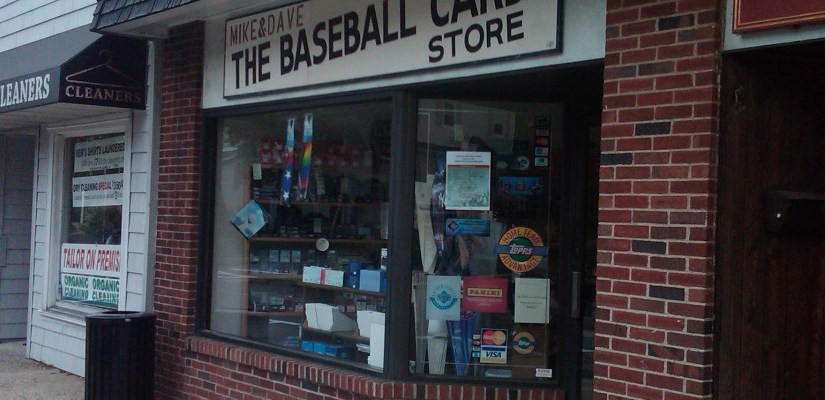
Collectibles arbitrage in the 1970s-1990s: The rise and fall of hobby stores

Before the internet, auctions, and hobby stores existed, it was a simple market for collectibles such as shoes, artwork, games, and cards. However, the market was not efficient in pricing collectibles for hobbyists.

It was difficult to find rare cards and they were only available through newspaper ads, neighbors, acquaintances, and hobby stores. Rarity was determined by the availability and location of a product. Baseball cards gained popularity in the 1970s to 1990s and led to the creation of new hobby stores to sell them. Baseball cards were cheap to produce and could be sold for a significant profit.

Image result for hobby cards stores in 1990s"
By the early 1970s, the first professional card dealers emerged

During the dial-up internet era in the late 1990s, consumers were not familiar with the internet and were skeptical of buying products online. As a result, they trusted local hobby stores more than the internet. Hobby stores took advantage of this by selling the same merchandise at higher prices due to the customer’s mistrust of internet products.

I often paid a premium price at the store rather than the “official card price index” listed in hobbyist magazines. It was not easy to buy from the internet because there was no way to confirm or guarantee that the money paid online would be honored. It was common for hobby stores to list merchandise at higher prices than the market’s selling price.

As time passed, consumers began to trust online marketplaces like eBay, and collectibles became more price efficient. Sports card revenues reached their peak in 1991 at $1.2 billion, but since then have dropped to under $200 million as hobbyists lost interest in baseball cards. The saturation of hobby stores reached its peak when store owners realized there were more baseball cards than they could sell. As a result, hobby stores started looking like storage rooms and most baseball cards lost their value.
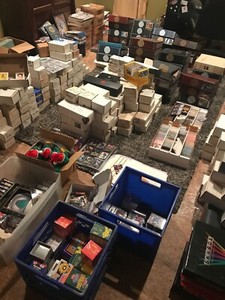
Image result for baseball card stores junk"
Baseball Cards Liquidation sale

Experienced store owners who recognized the decline of baseball cards quickly sold their entire inventory and stores. The market clearly showed that baseball and collectible cards were not worth much. Smart hobby store owners were able to make a decent profit and shift their attention to the next collectible trend. However, those who took over the hobby stores ended up holding the bankruptcy bag.

Where was Under Armour in 2001?

Before Under Armour became a famous sports brand worn by professional athletes, it was a small business founded in 1996 in my home state, Maryland. Kevin Plank, founder of Under Armour designed shirts to help cool down an athletes body during training. Under Armour clothing was available through a regional mid-size sport’s retail chain called Modells. Modells were also one of the first major retail chains to carry their brand.

I still remembered the moment UA apparel caught my attention in Modells. As soon as you enter Modells, Under Armour was the solitary thing you could look at because it was visible in front. It was situated on the button on the front left entrance and Nike was located near the front right entrance of the store. UA had this skin tight shirt on display that looks hi-tech and innovative. UA shirt was like no other clothing apparel that I have ever come across, the material felt light and smooth. I decided to buy a $40 shirt in 2001 that was worth my entire paycheck for mowing two lawns.

Purchasing an expensive shirt wasn’t the best financial decision, but I felt cool for being the first kid in my neighborhood to have an Under Armour shirt. I did not know anything about Under Armour business model yet, but I knew their shirt pulled in my skinny teen body felt like I transform into a superhero. I felt proud wearing UA gear and shouting “we must protect this house” during basketball games and gym workouts. I was attracted to the brand because the unique logo and the marketing motto “Protect this House”.

The UA business model started out, targeting the male demographic customers. UA is much more than a one trick pony company that sold skin tight shirts. They rapidly expanded their business in over 2,500 retail stores near the end of 2002, and shortly less than a year later it started offering Women’s apparel. In 2005, UA went IPO to expand their brand domestically and introduce more products.

15 years after, I am still wearing the UA shirt to basketball games, this time with a real superhero “Batman Embalm” that cost me over $50 dollars.    I bought more UA apparel and a few pairs of their place, but I am not the only kid anymore to purchase UA gear. There are children all over the world wearing UA and Adults in the gym are challenging my status quo as a superhero with their own UA superhero shirts.

UA grew tremendously and became competitive enough to challenge the sporting apparel industry leaders like Adidas and Nike. Its IPO gained over 800%, turning from a market size of ~ $770 Million to the current valuation of ~$8Billion! In that respect is no doubt, UA became a successful business and a household brand. Early UA investors have tons of earning money over the last decade. UA continues to expand to multiple clothing apparel lines and even introduce hi-tech sport electronics.

The business environment was very challenging in the early 2000s.    On Jan 2002, Kmart became the largest retailer in American history at that time to file for Chapter 11 bankruptcy. By the summer of 2002, US Airways, shared Kmart’s faith and declared Bankruptcy. Many trade names from the early 2000s have disappeared and became irrelevant. Today, many investors and shoppers recognize the UA brand. UA offer products for nearly every major sport and is a world-wide brand. While Under Armour has been wildly successful so far, they are really small compared against Adidas and Nike. Stay Tuned for my next BLOG on learning what is keeping Under Armour, UNDER PRESSURE!